Property Management Web Portal
UX RESEARCH
SAAS
🎯 Role : UX Researcher
🛠️ Product : System Design
🕰️ Timeline : Sep 2023 - Mar 2025
⋆。𖦹°⭒˚。⋆
● Introduction: A UX Research-Led Transformation
UX Research is essential to uncover the real challenges users faced.
To manage property rates and rent assessments, users are required to submit application for objections or reassessments to property valuations. But, the current submission process is inefficient, causing frustration for property owners, agents, and officers.
This case study explores how research-driven insights shaped a user-centered digital portal, transforming the property management and submission process into a seamless and efficient experience.
● Overview of User Research Methods
We have adopted different research method throughout the whole design process.
The design process followed the Double Diamond Framework and below shows how the research and design methods were applied at each stage:
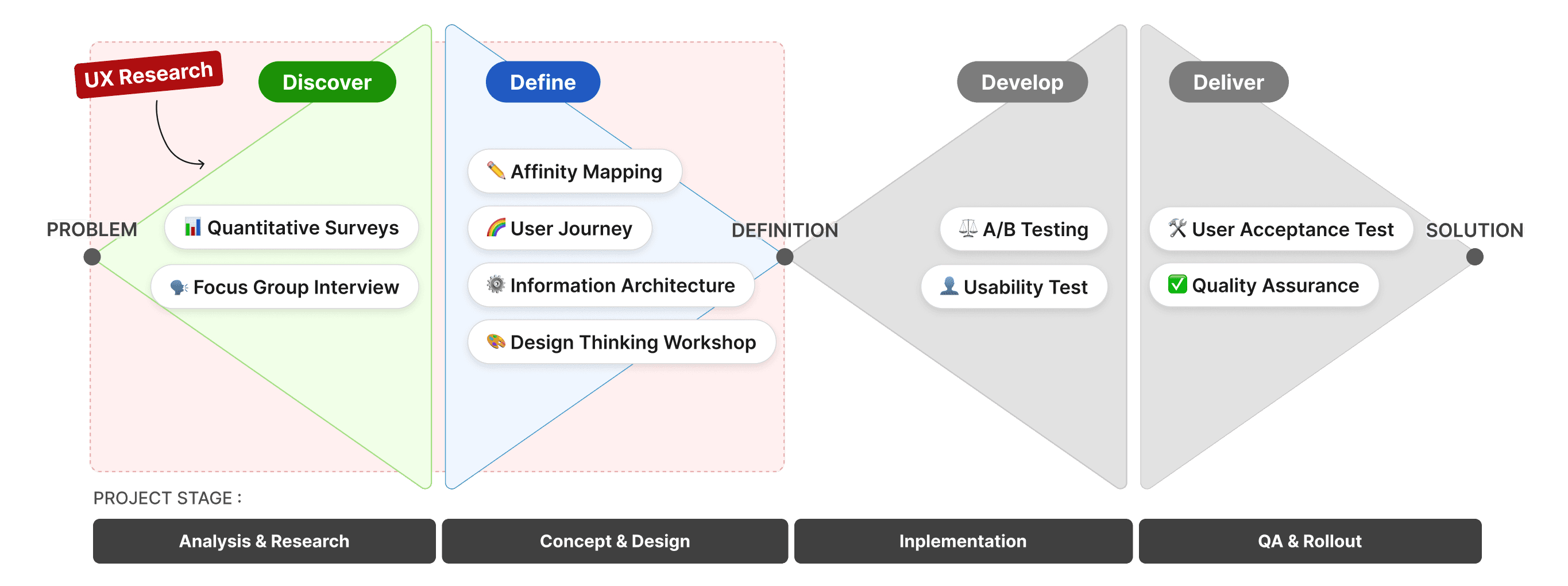
This case study will focus more on the Discover and Deliver stages, as these two phases are heavily centered on UX research and user studies. Let's see how they works!
⋆。𖦹°⭒˚。⋆
● Discover: Listening to Users
Our journey began with discovering user needs, behaviors, and pain points.
To deeply understand user needs, we conducted a combination of quantitative surveys and qualitative interviews in the discover stage. This dual approach revealed both the "what" and the "why" behind user behaviors.

● Strategy in designing questions
We have applied different strategies to design effective questions for the surveys and interview.
Mix of closed-ended and open-ended questions
Behavior-Focused: targeted real workflows, not hypothetical preferences
Avoid leading questions: ensure neutrality to get unbiased responses
Start broad, then go specific: e.g., “Can you describe your current process?”
Ask “why” repeatedly: To uncover root causes of frustrations
Use scenarios: e.g., “How would online status tracking improve your workflow?”

● Key Insights
We identified overlapping themes and insights from the results of survey and interview.
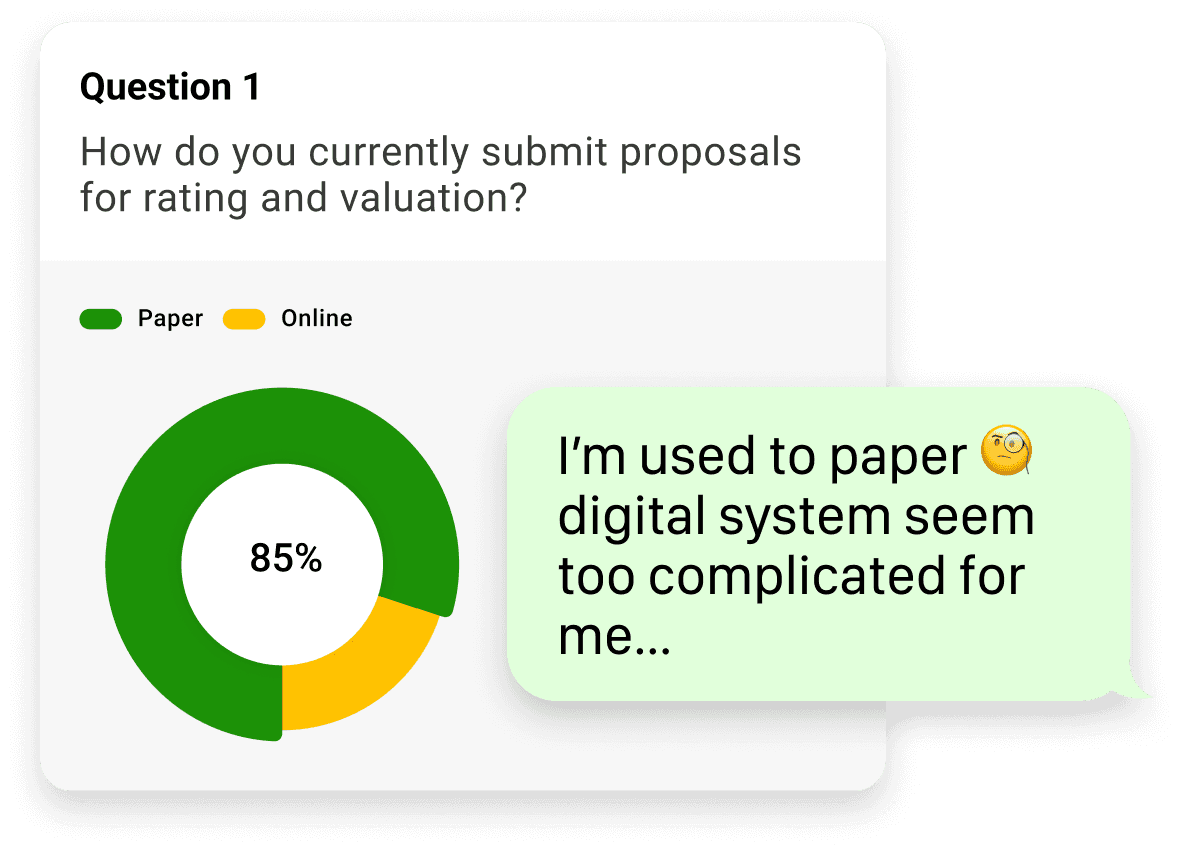
1️⃣ Paper Dependency and Transition Challenges
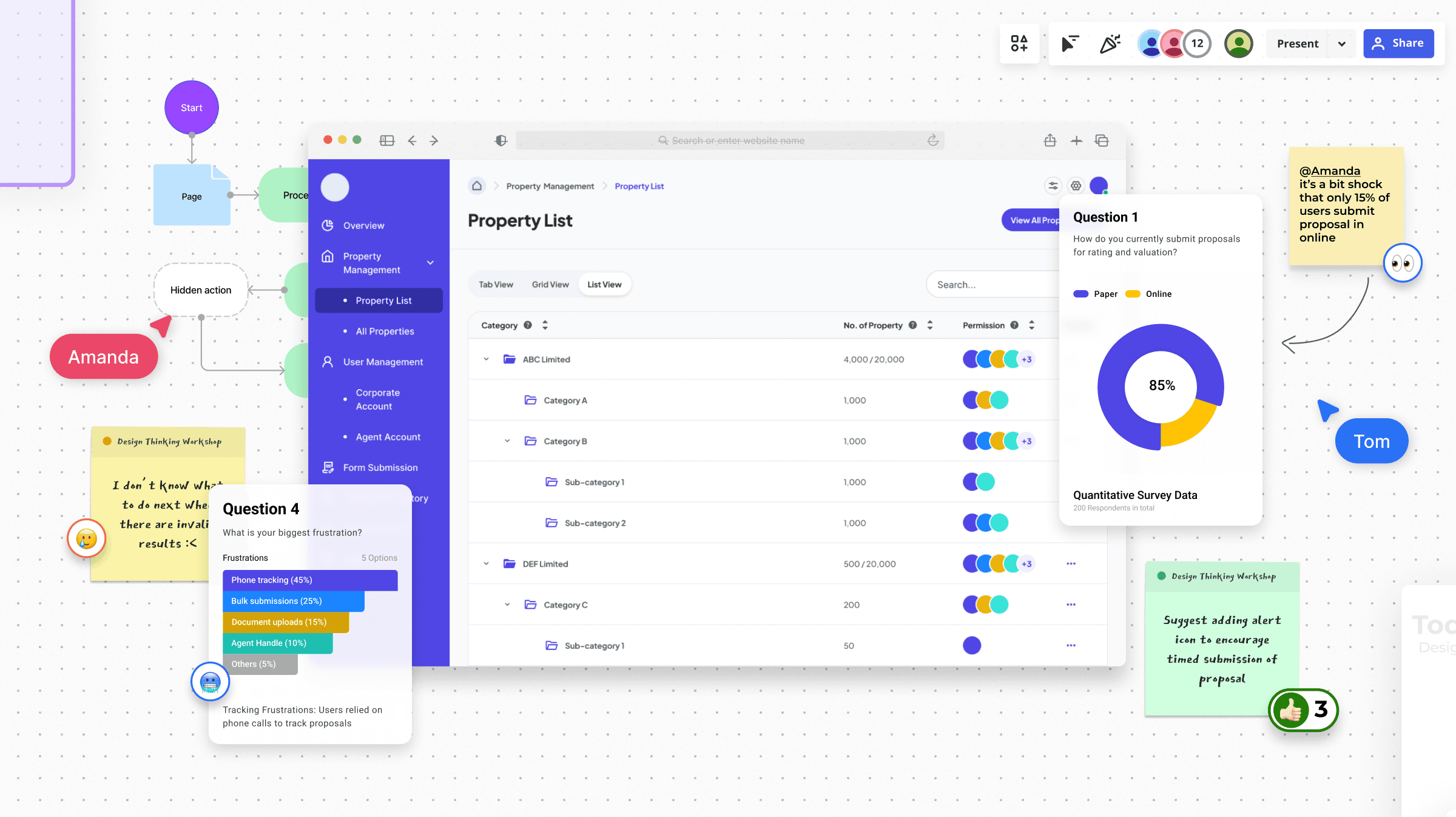
85% of respondents from the survey preferred paper submissions due to habit and lack of trust in digital systems. Users in the interview shared the same concern also.
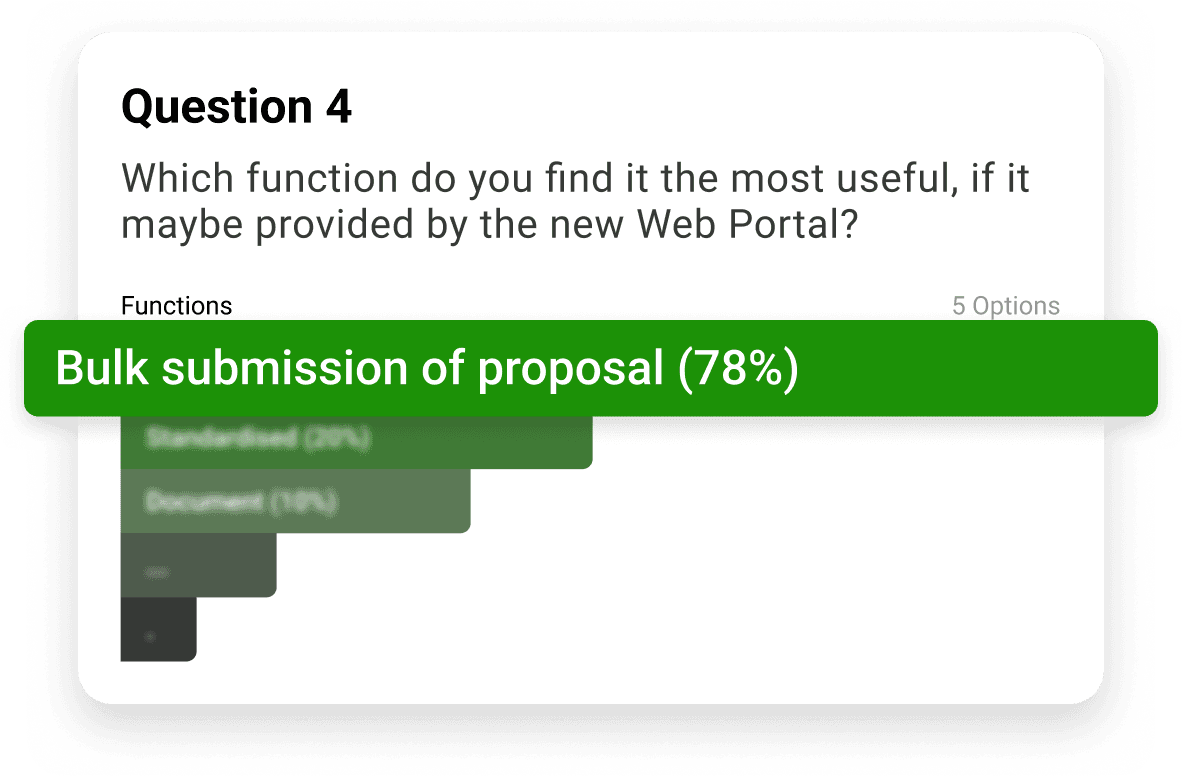
2️⃣ Bulk Submission Needs
High-volume users emphasized the need for bulk submission with features like Excel uploads and property grouping by client or type.
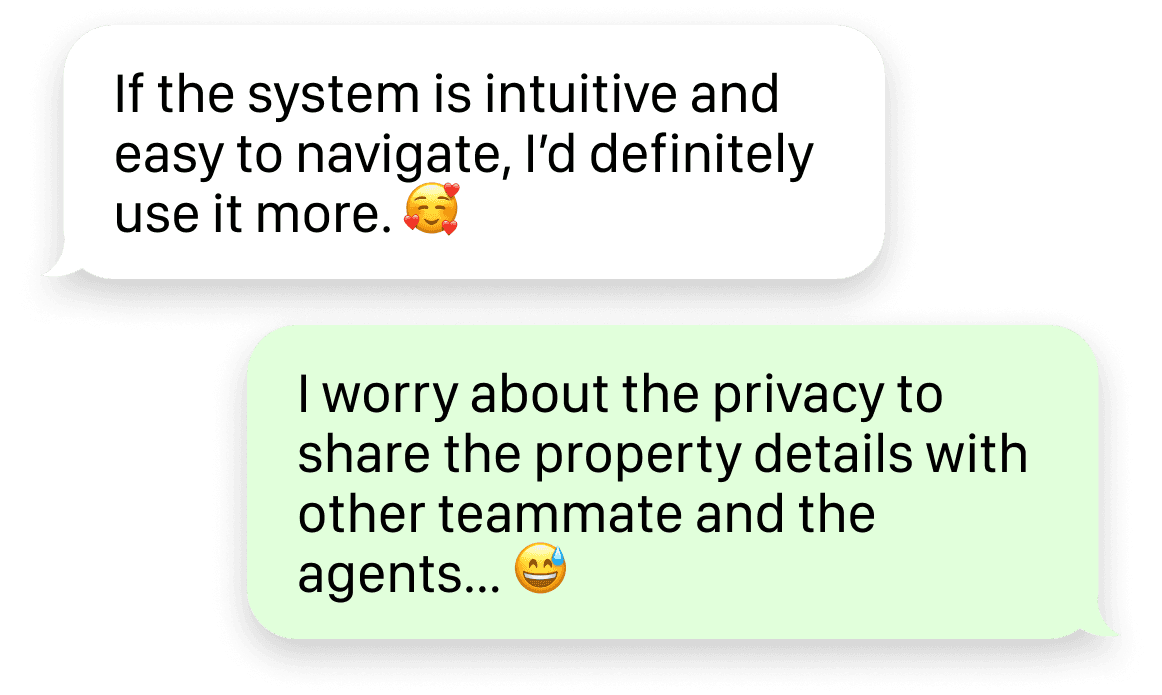
3️⃣ User Friendliness and Privacy Concerns
Most of the user believed a well-designed portal could encourage e-service adoption. They also highlighted the importance of privacy and access controls within the corporate and between the agent and the property owner.
4️⃣ Tracking Frustrations
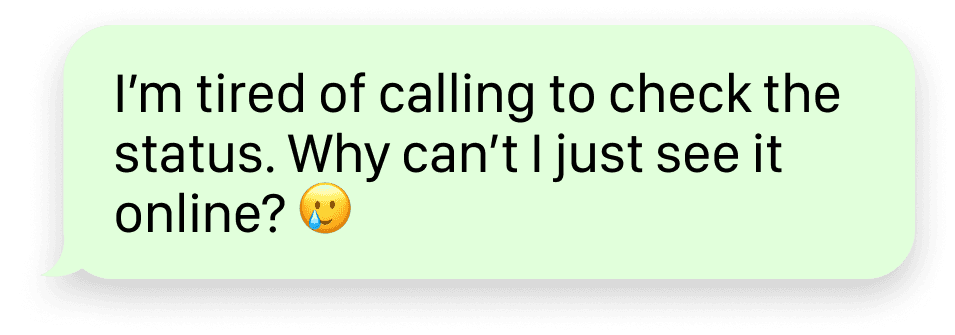
Users relied on phone calls to track proposals currently. A robust tracking system with real-time updates, notifications, and submission history is suggested.
⋆。𖦹°⭒˚。⋆
● Define: Painpoints to Solutions
The research told us a clear message: Users want simplicity, efficiency, and transparency.
The surveys and interviews revealed users' frustrations and unmet needs. These insights shaped targeted solutions that address real user needs.
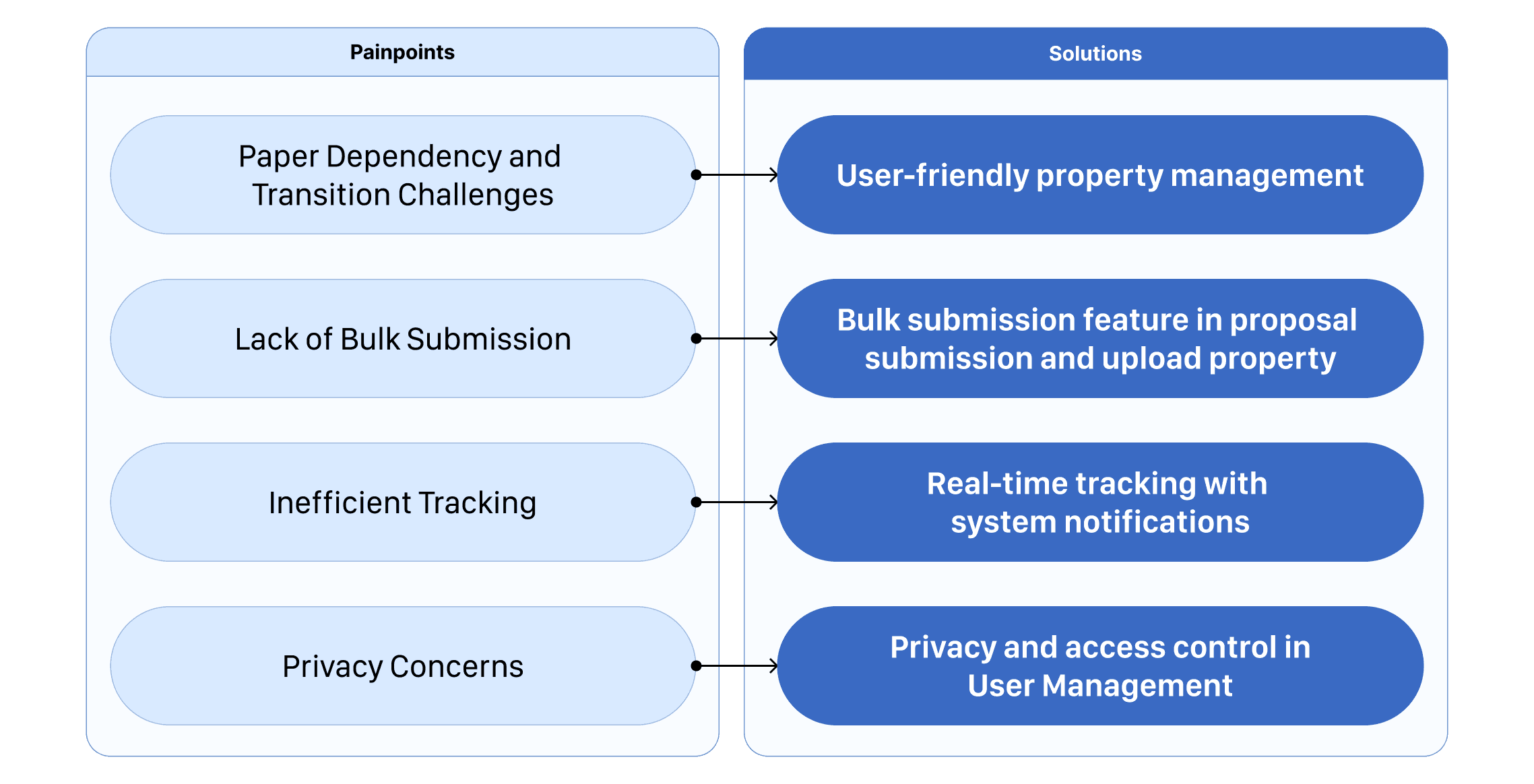
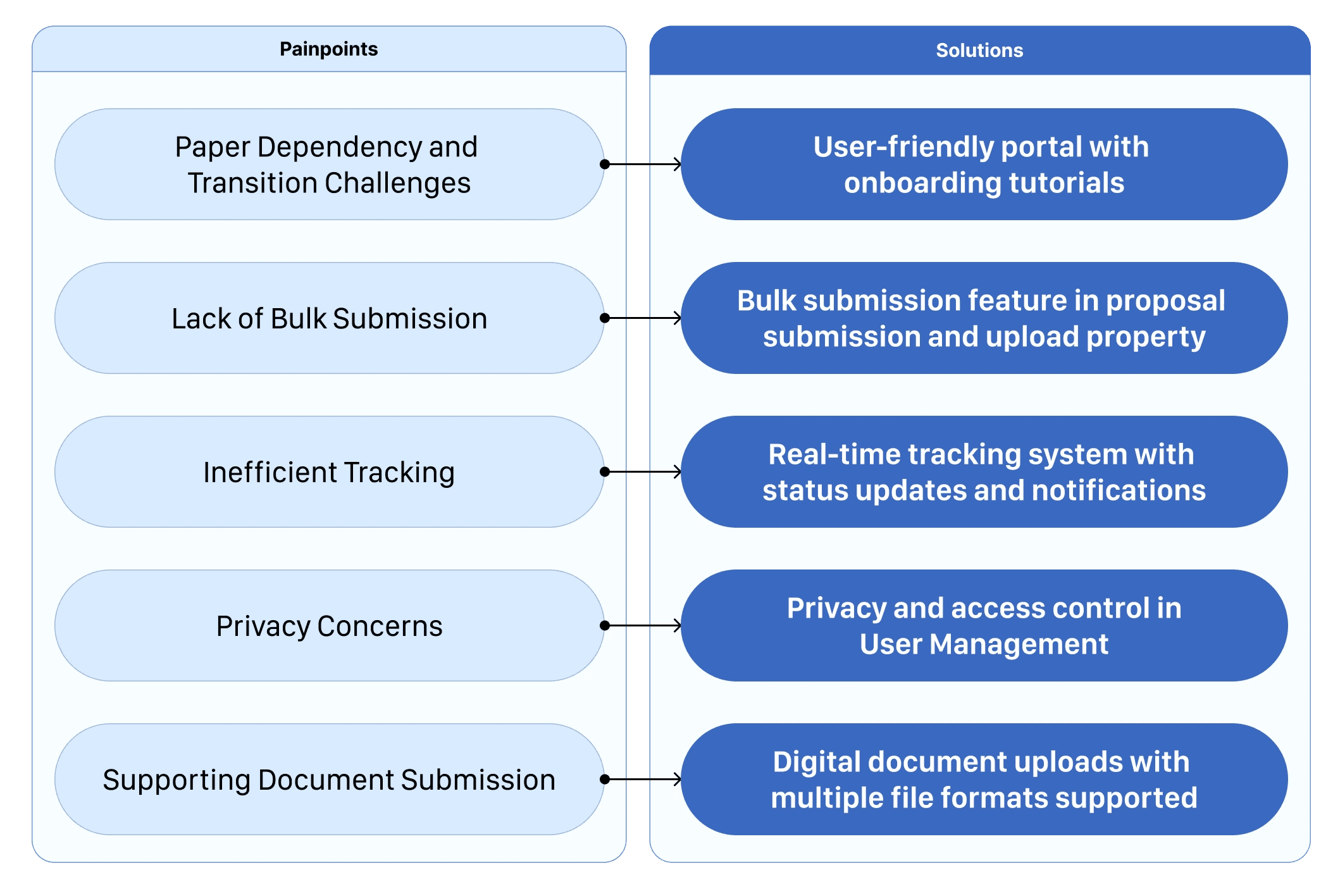
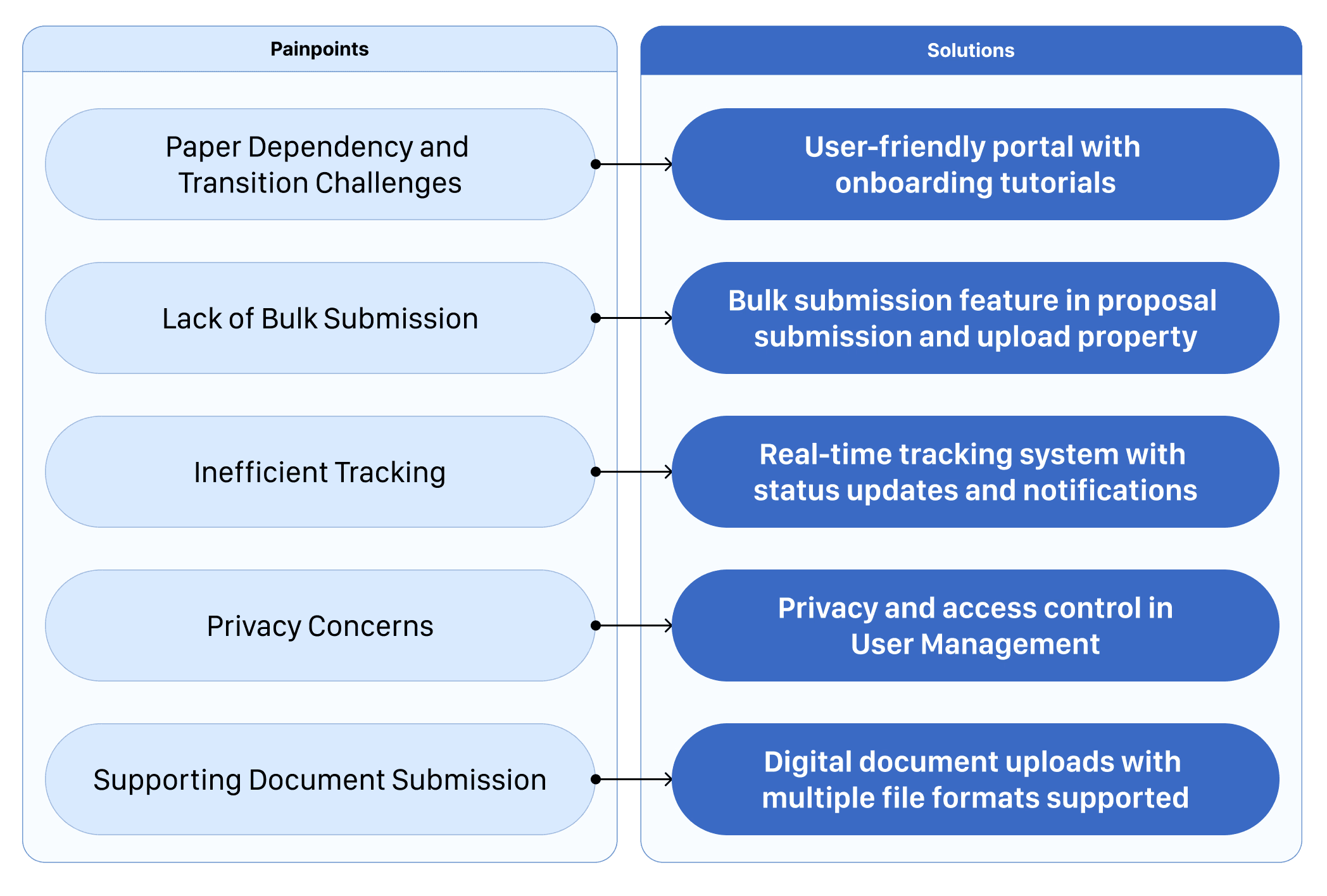
After setting up our solutions and design approach, we started working on the user flow and IA to keep our design align to the goals and system logic. We have created a draft design that addressed user pain points.
● Solution 1
User-friendly property management
Users can easily manage properties with customisable property grouping and role-based access controls. Tooltips are used to provide brief explanations or instructions to help users understand the function.
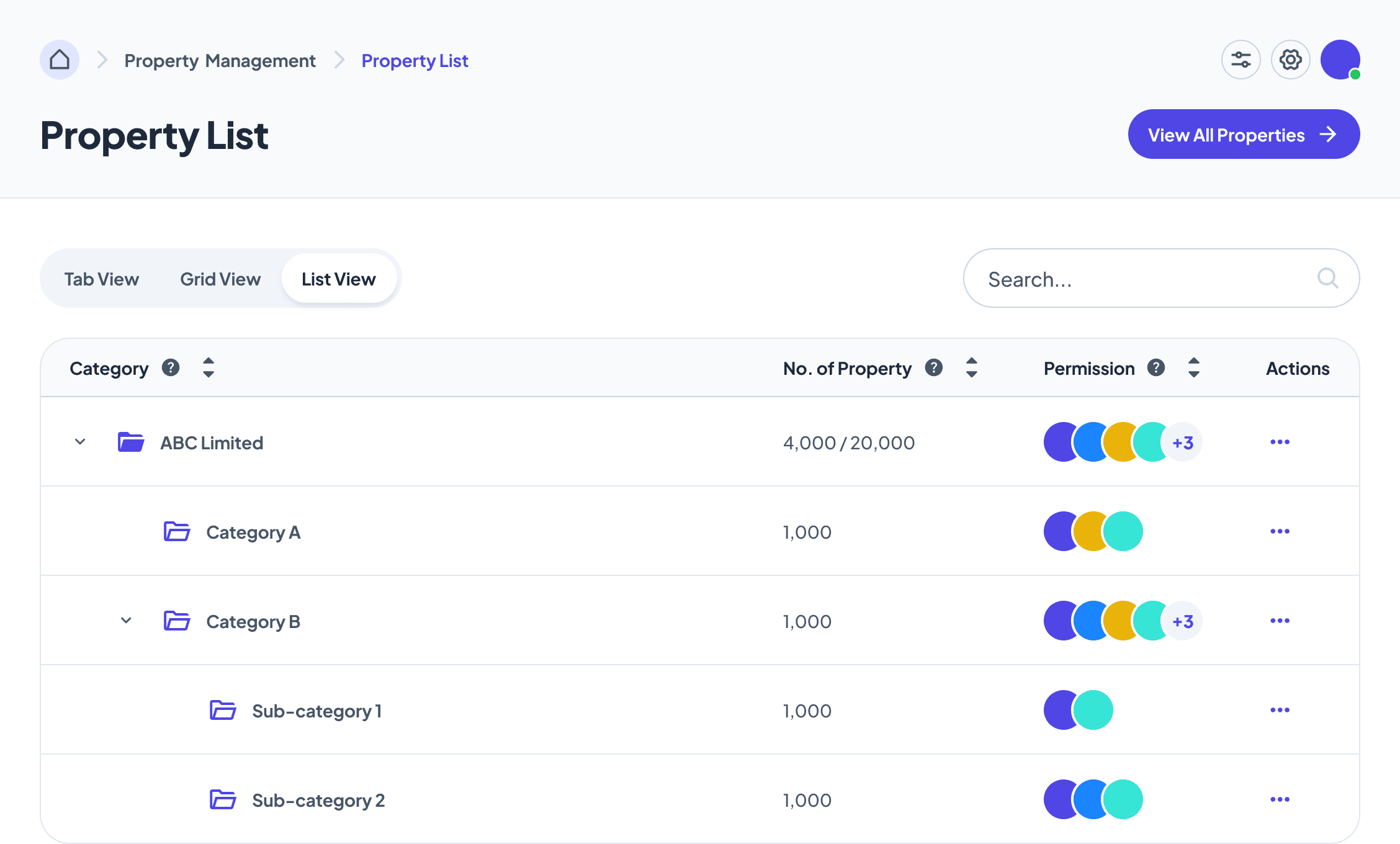
** The UI mockup is for concept demonstration only. It does not represent the actual product design. .ᐟ.ᐟ
● Solution 2
Bulk Submission Features
The bulk submission function streamlines the process of submitting multiple proposals and bulk uploading properties to the property list by allowing users to handle large volumes of data efficiently.
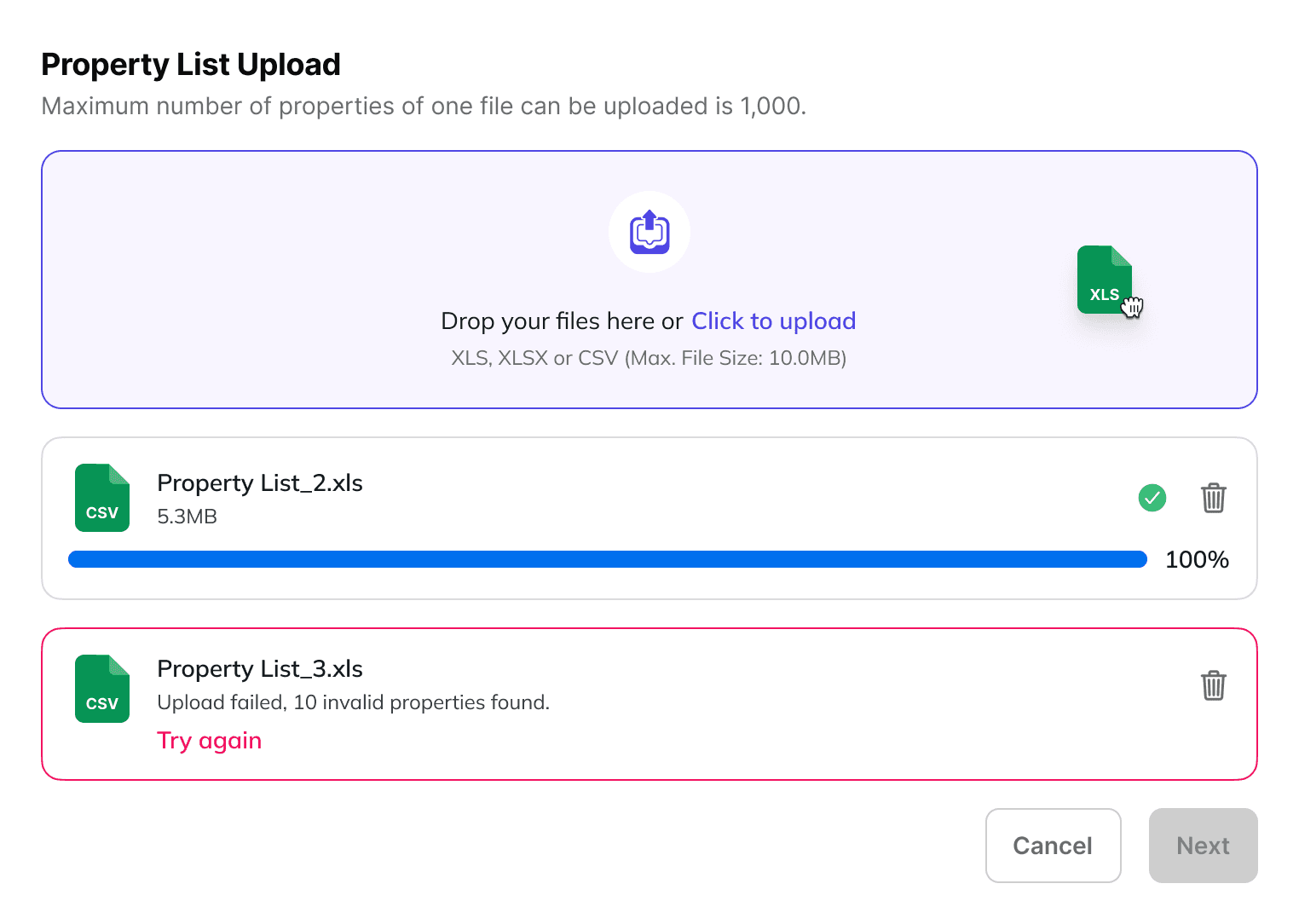
** The UI mockup is for concept demonstration only. It does not represent the actual product design. .ᐟ.ᐟ
Users can batch upload entries, such as properties, through formats like CSV, Excel, and the system will validate if the uploaded data is in the correct format. If errors are detected, the system will display an error message and prompt users to re-upload the corrected file.

For proposal submissions, the system checks whether the properties have already been added or submitted, preventing duplicated submission.
● Solution 3
Real-time tracking with system notification
System sends automated notifications when key milestones are reached, such as successful submission, approval, or requests for additional information. This feature enhances transparency and reduces the need for manual follow-ups.
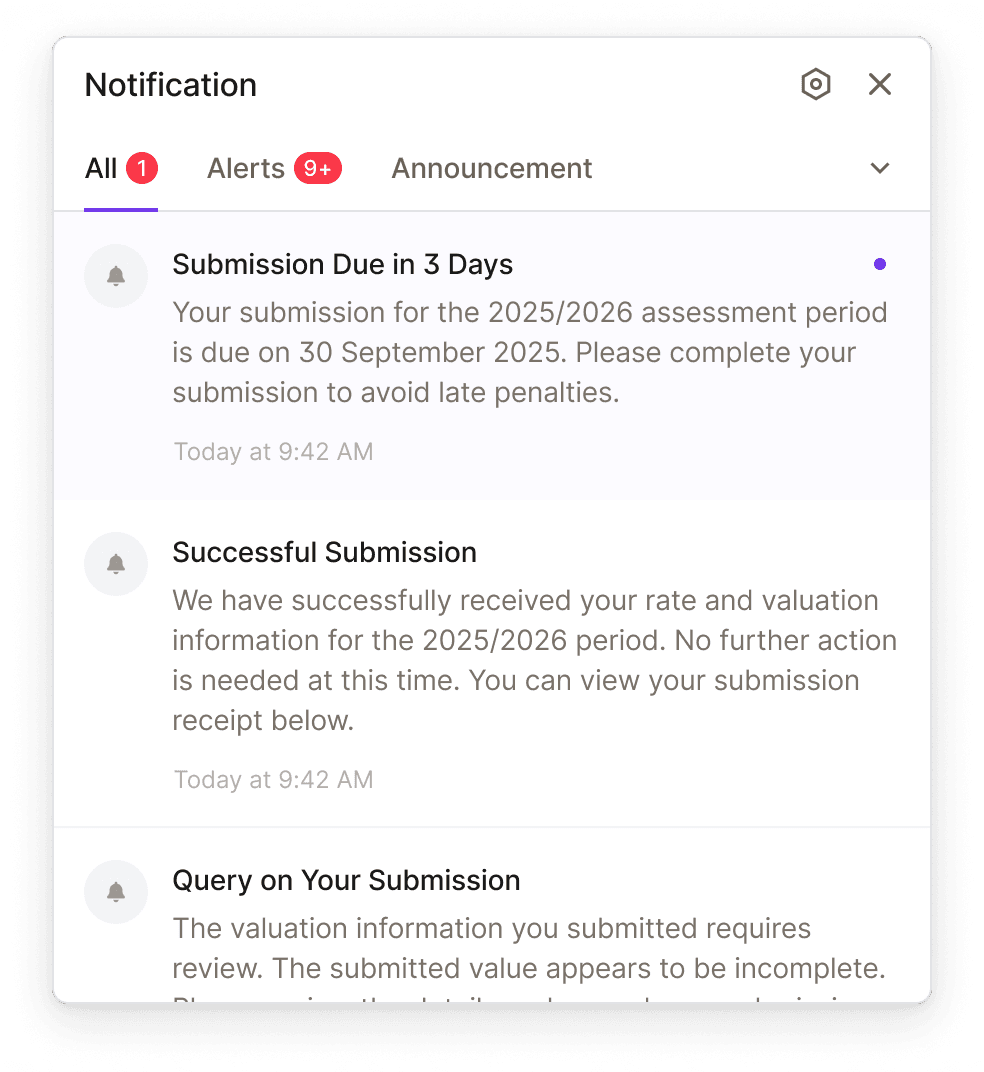
** The UI mockup is for concept demonstration only. It does not represent the actual product design. .ᐟ.ᐟ
● Solution 4
Privacy and Access Control in User Management
Corporate users can assign roles such as admin or officer, where admins have full control over the system, while officers have limited access based on assigned tasks.
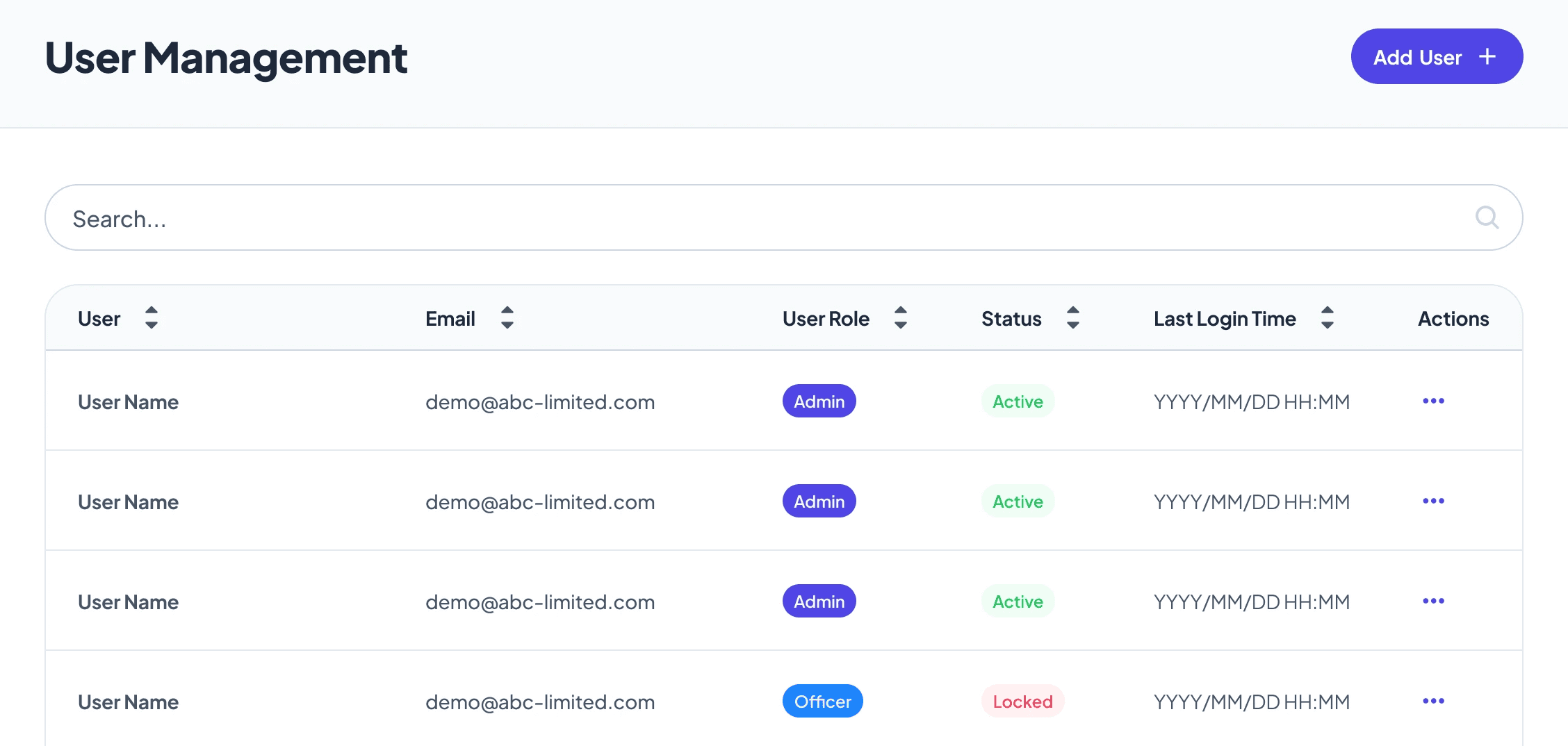
** The UI mockup is for concept demonstration only. It does not represent the actual product design. .ᐟ.ᐟ
Additionally, property access is managed between principals and agent users, allowing principals to oversee and control property-related activities while granting agents specific permissions to handle submissions or updates. This feature ensures data privacy, prevents unauthorized access, and provides a structured, role-based workflow for efficient collaboration.
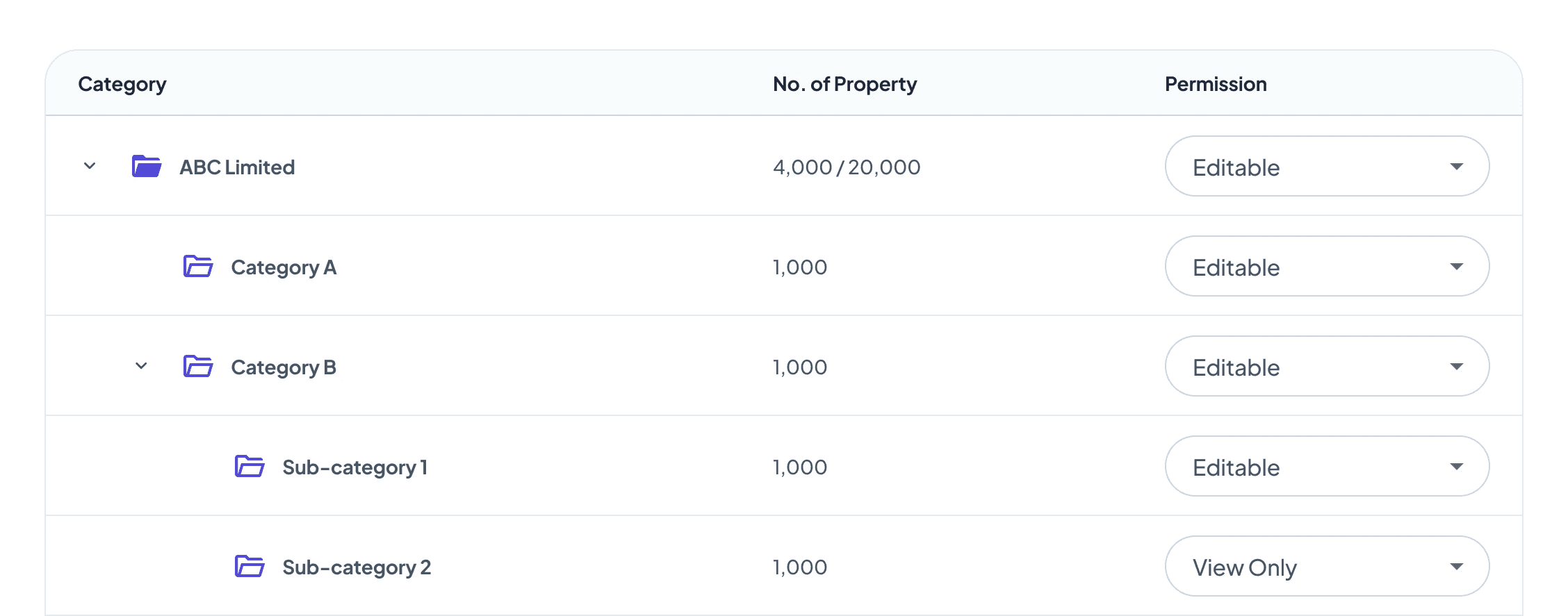
** The UI mockup is for concept demonstration only. It does not represent the actual product design. .ᐟ.ᐟ
⋆。𖦹°⭒˚。⋆
● Refinement: Design Thinking Workshop
To refine the draft design, we hosted a Design Thinking Workshop with users to gather feedback.
Users were encouraged to share their experiences, brainstorm ideas, and prioritise features through playing with interactive prototype of the Web Portal demo.
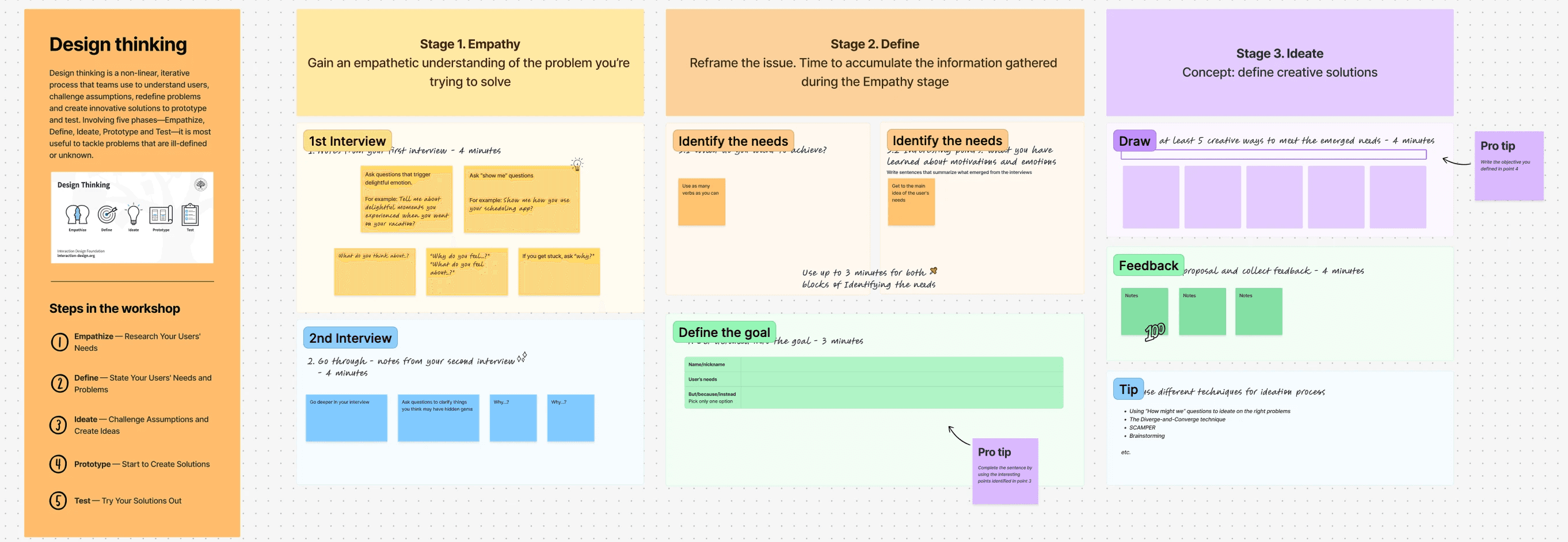
** The mockup is for concept demonstration only. It does not represent the actual workshop content. .ᐟ.ᐟ
We have prioritised the user comment, and summarised them with the highlighted feedback in 3 aspects:
⚙️ Functional Improvements
Users emphasized the need for enhanced search features, simplified data input, and better communication tools.
🎨 Visual Enhancements
Suggestions included clearer, intuitive icons, real-time submission alerts, and a cohesive blue theme to improve the portal's visual consistency and appeal.
🎨 Layout Standardization
Participants requested pagination for property listings to improve navigation and consistent formatting for tenement descriptions to ensure clarity.
By incorporating their insights, we refine our solutions that directly addressed user needs, ensuring the final design was both user-centric and aligned with business goals. This iterative approach strengthened engagement and helped build consensus around the proposed improvements.
⋆。𖦹°⭒˚。⋆
● Conclusion
UX research can drive meaningful design decisions, transforming complex workflows into seamless digital experiences.
By prioritizing user needs and adopting a collaborative, iterative approach, we delivered a user-friendly portal that addressed key pain points, improved efficiency, and encouraged digital adoption. This project highlights the power of UX research in driving meaningful, user-centered design solutions.
⋆·˚ ༘ * Ready for the next story? Let’s go! ⬇️ ₊˚⊹⋆